History
Welcome to our History Page
Intent of our History Curriculum
Our intention is to create young historians who do not merely memorise facts but who critically engage with the complexities of the human story. We believe that history is not a static collection of dates, but an interwoven web of evidence and interpretations that require rigorous interrogation.
We aim to provide a rich base of substantive knowledge (the people, events, and societies of the past) alongside the disciplinary knowledge required to explore it. Children will learn how to ‘do’ history, using evidence to form reasoned judgements.
From the beginning of their journey in EYFS to the end of KS2, children are taught to develop their critical analysis skills and ask questions; placing their own lives and the lives of people they learn about on an increasingly complex timeline, developing an understanding of how these events are linked and what common threads can be identified in human societies in the time periods studied. By teaching that historical knowledge is often contested, we aim to empower children to identify bias, question the nature of truth, and understand that every source is a product of its specific context.
Ultimately, our ambition is to not merely teach children about the past, but to give them the foundational tools to be informed global citizens and navigate the present. This is especially important in an increasingly complex world where information is abundant and often conflicting. Our history curriculum teaches children to think critically, argue rationally, and appreciate the nuance of human experience. We prepare them not just for the next stage of their education, but for a lifelong pursuit of understanding in a world where the nature of truth is ever-evolving.
Implementation of the History Curriculum
In KS1, LKS2 and UKS2 the curriculum is taught through a bespoke long-term plan and unit overviews. Children’s learning in each unit allows them to develop, deepen and broaden their substantive and disciplinary knowledge and skills.
-
EYFS: The Foundations of Historical Enquiry
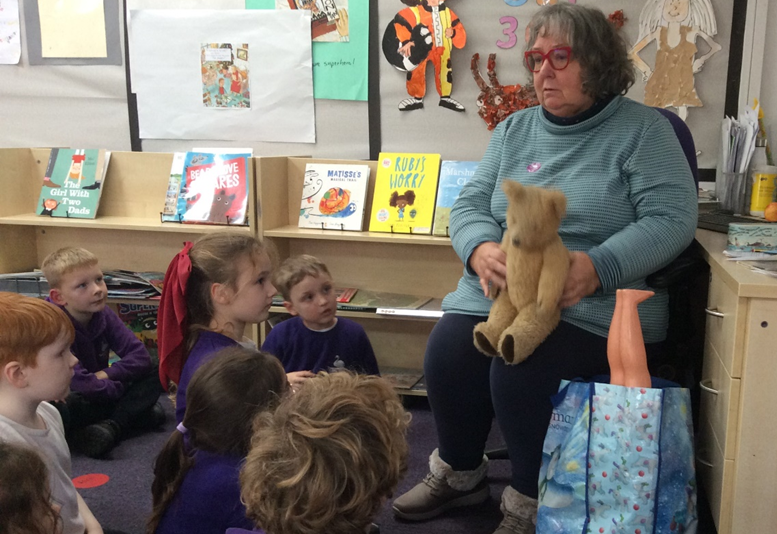
Historical development begins in Pre-School and Nursery where the focus is on communication and language - guided by the Understanding the World section of the EYFS framework - as a vehicle for understanding the past.
-
Personal Chronology: children begin by making connections between their own families and those encountered in stories, using vocabularies such as “parents”, “grandparents” and “siblings”.
-
Identifying Change: in Reception, children link familiar events (such as holidays or snowy days) to their own lives with phrases like, “That’s when I was two”.
-
Past and Present: Children identify similarities and differences between settings from the past (e.g., Guy Fawkes’ clothes or old modes of transport) and their own experiences.
-
Societal Roles: in Reception, an early understanding of the monarchy and government is introduced by discussing the roles people play in society.
2) Sequential Substantive Knowledge
In KS1, LKS2 and UKS2 the curriculum is taught as part of a two-year rolling programme with opportunities to revisit and revise key skills several times within an age phase. The knowledge and skills taught in each age phase builds progressively over time. Each unit is structured to begin so that the study begins with a consideration of what life was ‘like’ for the people who lived at that time before delving into other themes. For example, what was life like for someone in London in 1666?
-
Key Stage 1: children begin to transition from "living memory" (e.g., local school history 30–60 years ago and 1960s toys) to more distant events like the Great Fire of London and the Space Race.
-
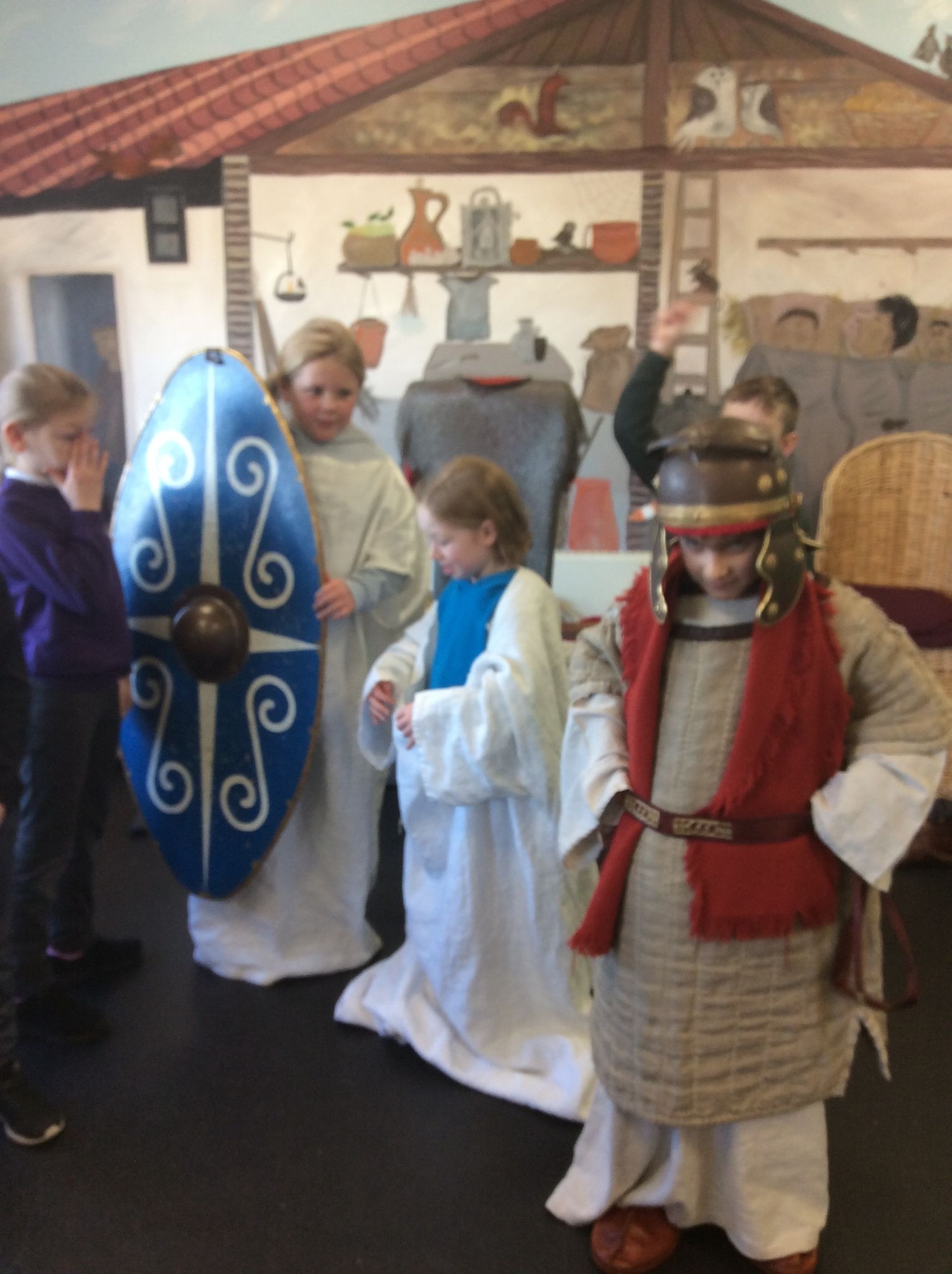
Lower Key Stage 2: the focus shifts to ancient civilisations and early British history, including the Stone Age to Iron Age, Ancient Egypt, and the Roman invasion.
-
Upper Key Stage 2: children tackle complex social and political themes, including the English Civil War, the Mayan Civilisation, and the impact of the Industrial Revolution.
3) Developing Disciplinary Knowledge
We do not just teach facts; we teach children how to "do" history through inquiry-led units.
-
Evidence and Interpretation: units are framed around critical questions, such as "Does the Bayeux Tapestry tell the full story?" or "How do we know about the Maya?"
-
Continuity and Change: this concept is explicitly tracked, for example, by comparing toys from the 1960s to today or examining how punishments for crimes have evolved over centuries.
-
Historical Significance: children assess the impact of individuals and events, such as the significance of Alfred the Great, the Felling Pit Disaster of 1812, or Margaret Thatcher’s impact on the mining industry.
4) Local Historical Context
To make history tangible and relevant, the curriculum is rooted in the history of Alnwick and the North East.
-
Local Landmarks: Pupils study the changing use of Alnwick Castle, the history of Chillingham and Ford Castles, and the significance of Hadrian's Wall.
-
Local Figures: The lives of local heroes like Harry Hotspur and Grace Darling are studied to understand regional contributions to the national story.
-
Industrial Heritage: Older pupils explore the cultural and economic impact of regional industries, specifically coal mining and shipbuilding in the North East.
5) Pedagogy and Progression
From EYFS to Year 6, the curriculum follows an increasingly complex timeline. By the end of KS2, pupils are expected to navigate sophisticated topics like Crime and Punishment and the Battle of Britain, using their foundational knowledge to ask and answer complex questions about the nature of truth and the human experience.